Industrial Shed in India: Types, Costs & What MSMEs Must Know Before Building
You’ve shortlisted a plot in an industrial area. The paperwork is moving. Now comes the question that trips up almost every first-time factory owner: what kind of shed do I build, and how much will it actually cost?
Most articles will tell you sheds are ‘cost-effective’ and ‘quick to build.’ True — but that doesn’t help you decide. This guide gives you the real picture: shed types matched to business size, honest INR cost ranges, design mistakes that waste money, and government schemes most MSMEs never find out about.
Shed vs Godown vs Warehouse: Know the Difference
In India these three words get used interchangeably — by vendors, government bodies, even IndiaMart listings. They are not the same thing.
| Structure | Primary Use | Who Needs It |
| Industrial Shed | Manufacturing, fabrication, processing | Factory owner, MSME manufacturer |
| Godown | Raw material or finished goods storage | Trader, small business owner |
| Warehouse | Large-scale inventory & distribution | E-commerce, FMCG, logistics company |
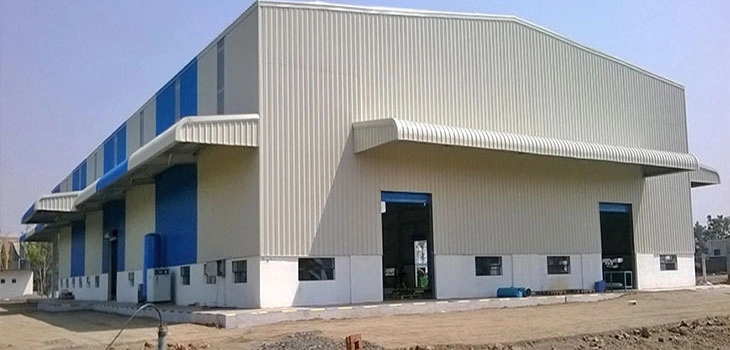
For most small manufacturers — an auto parts fabricator in Pune, a garment unit in Surat, a food processing business in Indore — an industrial shed is the right starting structure. It gives you open floor space, high ceiling clearance, and the flexibility to modify as your business grows.
5 Types of Industrial Sheds — and Which One Fits Your Business
1. PEB Shed (Pre-Engineered Building)
The most popular choice in India right now. Designed in software, fabricated at a factory (brands like Tata BlueScope, Kirby, Everest), and bolted together on your site. Fast, precise, minimal waste. A 10,000 sq ft PEB shed typically goes up in 8 to 10 weeks once fabrication begins.
- Best for: Factories and warehouses above 5,000 sq ft
- Watch out for: Minimum order sizes — most PEB companies won’t take projects below 3,000 sq ft
2. Steel Fabricated Shed
Built on-site by a local fabricator using structural steel sections. More flexible for small plots, odd shapes, and budgets under ₹20 lakh. The quality difference between a good fabricator and a bad one is enormous — always insist on IS 2062-grade steel and verify sheet gauge before the roof goes on.
- Best for: Small workshops and first units under 5,000 sq ft
3. RCC Shed
Concrete columns, beams, and slabs. Permanent, heavy-duty, expensive. Takes 4 to 6 months to build. Only makes sense for industries with extreme load requirements — foundries, chemical plants, heavy press shops.
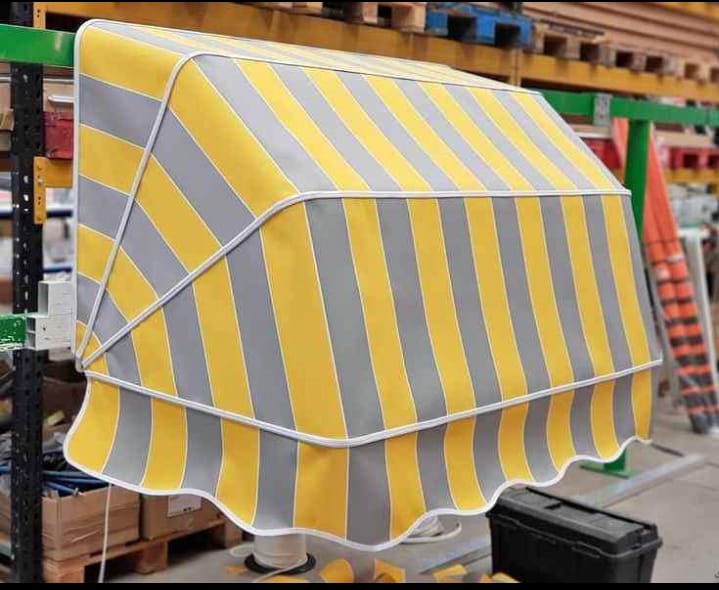
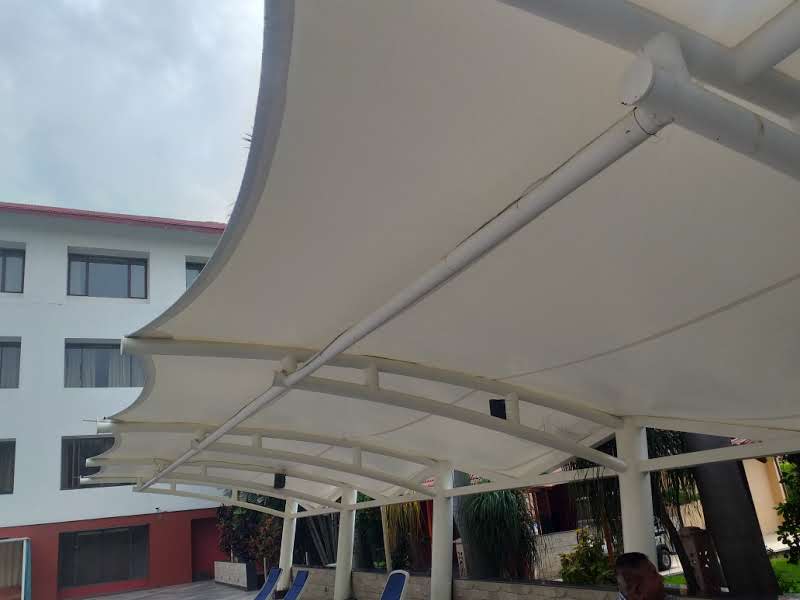
4. Tensile / Fabric Structures
High-strength fabric over a steel frame. Fast to install, lower cost, but not suited for heavy manufacturing. Common for parking, seasonal storage, and event spaces.
5. Modular / Portable Sheds
Pre-built units that install in days and can be relocated. Used mainly for site offices and tool rooms alongside a larger facility.
Industrial Shed Price in India: Real Numbers for 2026
The per-square-foot rate in a contractor quote is never the final number. Here are realistic ranges — plus what most quotes leave out.
| Shed Type | Cost / Sq Ft (INR) | 5,000 Sq Ft Budget |
| Steel Fabricated | ₹800 – ₹1,500 | ₹40 – 75 lakh |
| PEB Shed | ₹1,200 – ₹2,000 | ₹60 lakh – 1 crore |
| RCC Industrial Shed | ₹1,500 – ₹2,500 | ₹75 lakh – 1.25 crore |
| Tensile / Fabric | ₹400 – ₹900 | ₹20 – 45 lakh |
These rates reflect mid-2025 MS steel prices. Steel costs move monthly with SAIL and JSW pricing — lock in your order price before signing a contract.
Hidden costs that most quotes exclude:
- Foundation work: ₹80–150 per sq ft extra, more in black cotton soil areas (common across MP, Maharashtra, Telangana)
- GST: 18% on structural steel and fabrication services — significant on a ₹50 lakh project
- Electrical connection: Industrial three-phase from DISCOM costs ₹50,000 to ₹3 lakh depending on load and feeder distance
- Flooring: Plain concrete with hardener finish runs ₹60–100 per sq ft extra
- Fire NOC fees: ₹10,000–50,000 depending on your state and shed area
💡 Pro Tip: Sheds in MP and Rajasthan cost 8–12% less than equivalent structures in Pune or Ahmedabad. If your business allows location flexibility, factor this into your site selection.
3 Design Decisions That Cost MSMEs Lakhs Later
Eave height. If you plan to install an overhead crane later, you need at least 7–8 metres of eave height in the original design. Adding it after construction is not practically possible. Many MSME owners skip this to save ₹2–3 lakh upfront — then spend ₹15–20 lakh building a separate crane bay.
Ventilation. Inside a steel shed with no ventilation in Central India, summer temperatures can hit 50°C. Turbo vents along the ridge, polycarbonate skylight sheets, and a ridge-to-eave ventilation gap are not expensive additions — but they must be in the design from the start, not retrofitted.
Expansion provision. Design your end walls and foundation to allow future extension. Adding a bay later is simple if this was planned — and nearly impossible if it wasn’t. Ask for 25% extra capacity in the original design. You’ll thank yourself in year three.
⚠️ Before you sign: Ask your engineer — ‘If I need to add 2,000 sq ft in three years, what do I include in today’s design?’ A good contractor answers immediately. If they can’t, find someone who can.
Government Schemes Most MSME Owners Miss
You may not need to fund your shed entirely from savings or a single bank loan. Several central and state schemes apply directly to industrial shed construction:
- MUDRA Loan (Tarun): Up to ₹10 lakh, collateral-free, for small manufacturing capital expenditure including shed construction
- CGTMSE: Collateral-free term loans up to ₹2 crore for MSMEs. Shed construction qualifies as fixed capital investment.
- State capital subsidies: MP offers 15–40% capital subsidy on fixed assets for new units in designated industrial areas. Maharashtra’s MIDC and Gujarat’s GIDC offer subsidised ready-built sheds in several estates.
- SIDBI term loans: Lower interest rates than commercial banks for Udyam-registered businesses investing in industrial infrastructure.
✅ Do this first: Register on udyamregistration.gov.in before approaching any bank. It’s free, takes 10 minutes, and makes every loan application process significantly faster.
5 Things to Confirm Before You Sign Any Contract
- Plot zoning: Confirm industrial use approval from AKVN, MIDC, GIDC, or your local municipal body before spending anything.
- Soil test: Non-negotiable in black cotton soil areas. Determines your foundation design — skipping it risks structural movement within two monsoon seasons.
- Material specs in writing: Steel grade (IS 2062), roofing sheet gauge (minimum 0.50 mm), and coating type must be stated in the contract — not just discussed verbally.
- Scope clarity: Confirm in writing whether foundation, flooring, painting, compound wall, and doors are included or excluded from the quote.
- Payment milestones: Never pay more than 30–35% upfront. Tie remaining payments to measurable milestones — material delivery, column erection, roof completion, final handover.
The Bottom Line
For most first-time MSME factory owners, a PEB shed (for 5,000 sq ft and above) or a steel fabricated shed (for smaller units) is the right call. Budget realistically — add 25–30% over the quoted per-square-foot rate for hidden costs. Get the design right on paper before a single column goes in the ground. And check MSME schemes before finalising your financing — there may be money available that significantly reduces your actual outlay.
The shed is the foundation of your factory — literally and commercially. Take the time to get it right.
Tags: industrial shed, industrial shed price, steel sheds, steel shed prices, industrial shed construction cost, industrial shed manufacturers, storage shed manufacturers